Preventive Maintenance in NYC: Why the Cheapest Repair Is the One You Never Have to Make

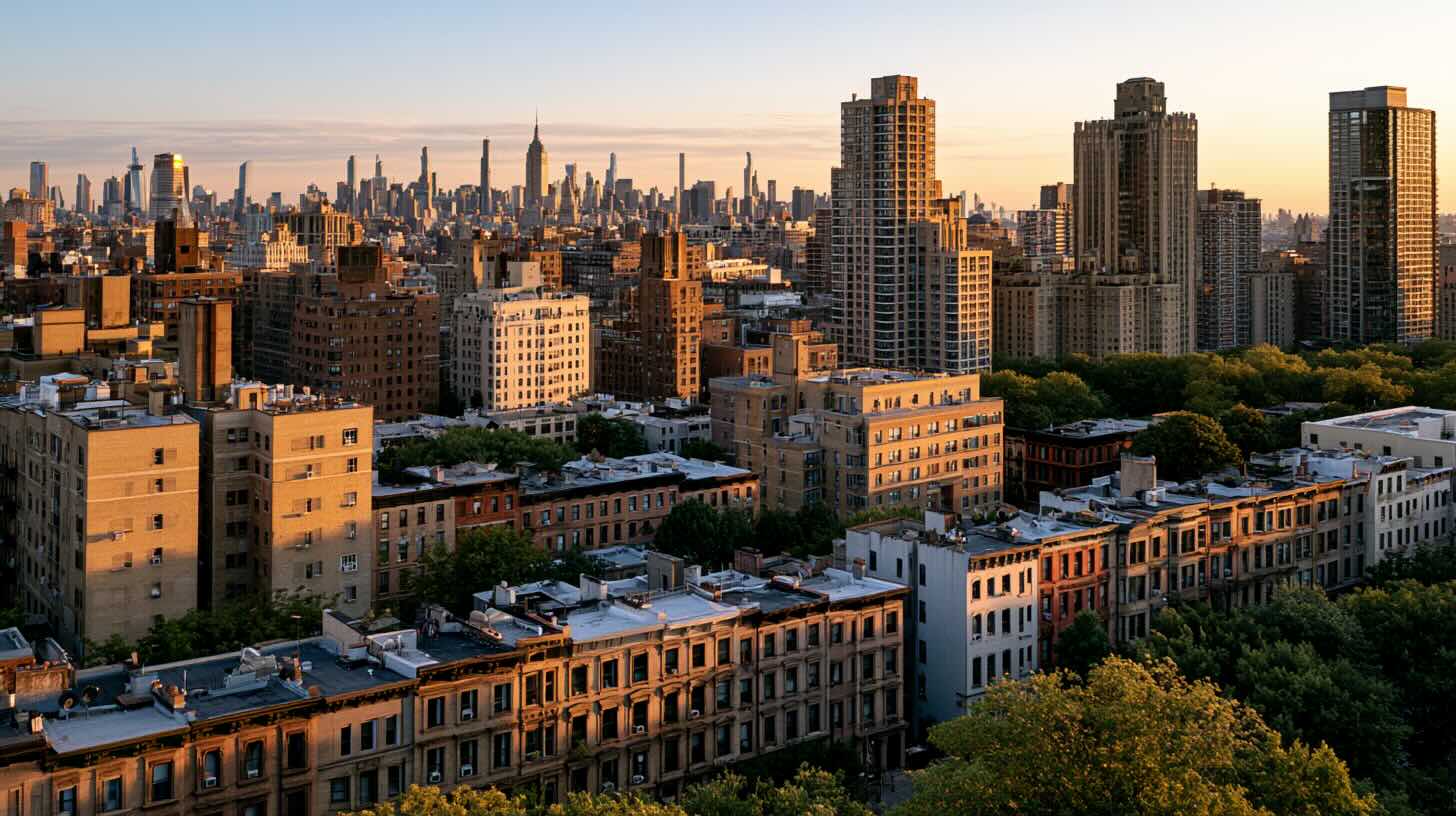
In New York City, buildings are always aging, always working, and always exposed to wear. Roofs take on heat, rain, and snow. Boilers run through long winters. Plumbing systems serve dozens or hundreds of people every day. For building owners, one of the most expensive mistakes is assuming that if nothing seems urgent, everything must be fine. In reality, some of the costliest problems in property ownership begin as small issues that were simply left alone too long.
That is why preventive maintenance matters. It is one of the most practical and cost-effective investments a property owner can make. In a city where repair costs can escalate quickly, the cheapest repair is often the one you never have to make at all.
It Comes Down to Timing
Preventive maintenance starts with a simple idea: find problems while they are still manageable. A minor roof issue may be repairable when caught early, but expensive once moisture has spread into walls or common areas. A small plumbing concern may be relatively easy to address before it causes water damage. A boiler system may only need routine service now, but if neglected, that same system can fail at the worst possible time and require a far more expensive response.
The difference between a manageable repair and a major expense often comes down to timing.
Why It Pays Off Financially
For owners of co-ops, condos, and multi-family buildings, this matters financially in several ways:
- Fewer emergency repair costs. Urgent work often costs more because it happens on compressed timelines and under more stressful conditions.
- Better planning. When building systems are monitored consistently, management can identify likely future needs and prepare for them in an orderly way rather than scrambling under pressure.
- Longer equipment life. Regular care often extends the usefulness of equipment, materials, and systems that would otherwise deteriorate faster.
The Resident Experience Angle
Preventive maintenance also improves the resident experience. Residents may not always notice a well-maintained system, but they absolutely notice when things stop working. Delayed repairs, repeated breakdowns, and unresolved common-area issues can make a building feel neglected. In co-ops and condos, that frustration often reaches the board. In rental buildings, it can contribute to turnover and reputational issues. By contrast, buildings that stay ahead of issues tend to feel more stable, responsive, and professionally cared for.
What a Real Program Looks Like
A good preventive maintenance program is not just a list of repairs. It is a structured process that includes inspections, documentation, follow-up, and prioritization: quarterly property inspections, regular review of building systems, common-area walkthroughs, vendor coordination, and tracking of recurring issues. The goal is not only to fix what is wrong today, but to see what may be developing tomorrow.
This is especially important in New York City, where many buildings have age, complexity, or architectural character that requires closer attention. In neighborhoods like Harlem and Upper Manhattan, buildings often carry both historic charm and ongoing operational demands. A proactive approach can help protect not only the building’s physical condition, but also its long-term standing in the neighborhood.
Preventive maintenance also supports stronger financial management. When management can identify short- and long-term needs early, owners and boards are in a better position to budget appropriately, maintain healthier reserves, and prioritize capital projects with more confidence.
Some owners hesitate to invest in preventive work because it can feel easier to postpone maintenance that is not yet urgent. But postponement rarely eliminates cost — more often, it shifts the problem into a more expensive category. Water damage spreads. Equipment degrades. Small cosmetic issues become larger repair jobs. What appears to be savings in the short term can create far greater costs later.
The strongest property management companies understand that maintenance is not only about response. It is about foresight. A building that is inspected regularly, monitored carefully, and maintained proactively will usually perform better over time than one that is managed only when something breaks.
For building owners looking to protect their investment, preventive maintenance is one of the smartest places to start. It reduces surprises, supports financial planning, and helps preserve the daily experience of the property. In a city where every deferred issue has the potential to grow, staying ahead of repairs is not just best practice. It is good ownership.